
Understanding Your Skin Type
Your skin type is the foundation of an effective skincare routine. Using products that match your skin’s natural behavior helps maintain balance, prevent concerns, and support long-term skin health.
Skin type is primarily determined by genetics, but factors such as climate, hormones, lifestyle, and product usage can influence how your skin behaves over time.
Normal Skin
Normal skin is considered well-balanced. It produces the right amount of natural oils to maintain hydration without appearing greasy or feeling dry.
Characteristics:
Smooth, even texture
Minimal visible pores
Balanced hydration
Rare sensitivity or breakouts
Natural, healthy glow
Normal skin benefits from gentle cleansing, consistent hydration, and daily sun protection to maintain its natural equilibrium.
Dry Skin
Dry skin lacks sufficient natural oil production. It often feels tight, rough, or uncomfortable, especially after cleansing.
Characteristics:
Tightness after washing
Flaky or rough texture
Dull appearance
Fine lines may appear more visible
Increased sensitivity
Dry skin requires rich moisturization, barrier-supporting ingredients, and hydration-focused formulations to restore comfort and suppleness.
Oily Skin
Oily skin produces excess sebum (natural oil), which can lead to shine and clogged pores.
Characteristics:
Noticeable shine, especially in the T-zone
Enlarged pores
Frequent breakouts or blackheads
Makeup may slide off easily
Oily skin benefits from lightweight, non-comedogenic products that regulate oil production without stripping the skin’s protective barrier.
Combination Skin
Combination skin displays characteristics of more than one skin type. Typically, the T-zone (forehead, nose, and chin) is oily, while the cheeks remain normal or dry.
Characteristics:
Oily T-zone
Dry or normal cheeks
Occasional breakouts in certain areas
Uneven texture in different zones
Combination skin requires a balanced approach — targeting oil control in some areas while maintaining hydration in others.
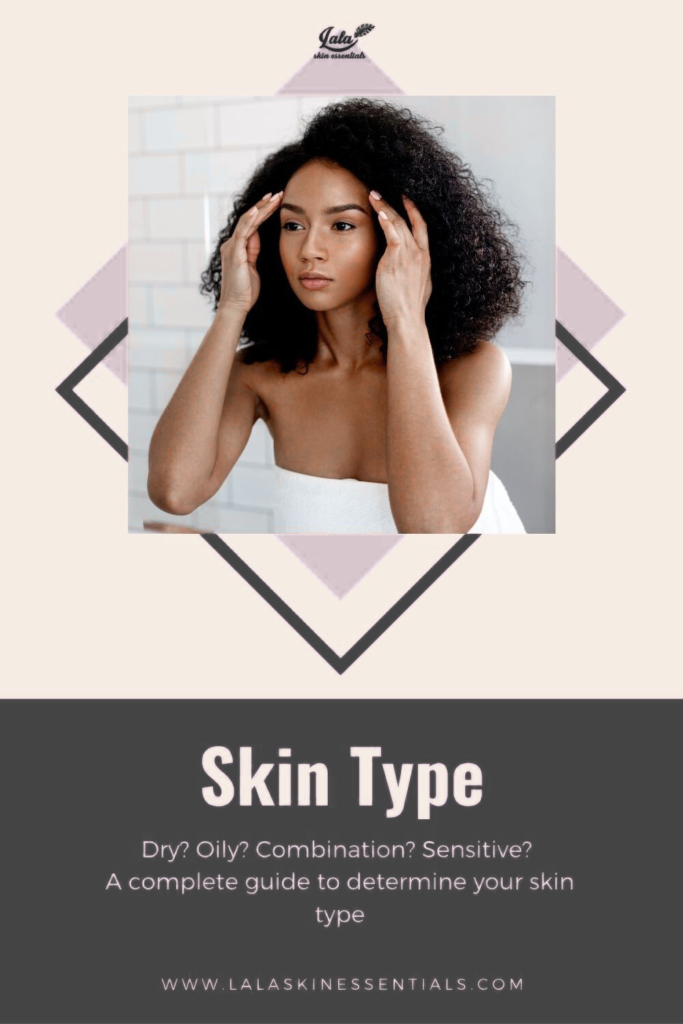
How to Identify Your Skin Type
You can determine your skin type with a simple at-home method:
Step 1: Cleanse:
Wash your face with a gentle cleanser and pat dry. Do not apply any products.
Step 2: Wait:
Leave your skin bare for 45–60 minutes.
Step 3: Observe
-
If your skin feels comfortable and looks balanced → Normal Skin
-
If it feels tight, rough, or flaky → Dry Skin
-
If it appears shiny all over → Oily Skin
-
If shine appears only in the T-zone → Combination Skin
Understanding your skin type allows you to make informed choices and build a routine that supports your skin’s natural function rather than working against it.